
A Journey Across the Colonial Heritage of Goa and India
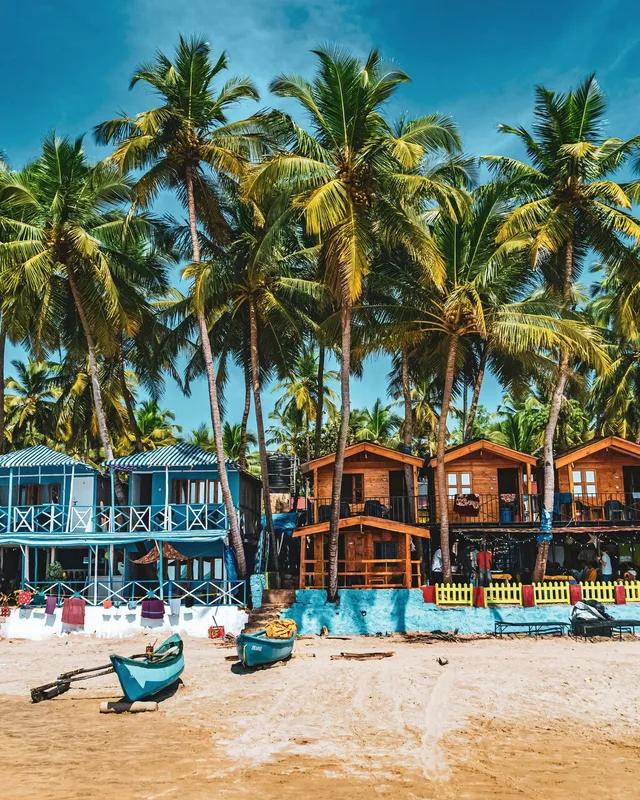
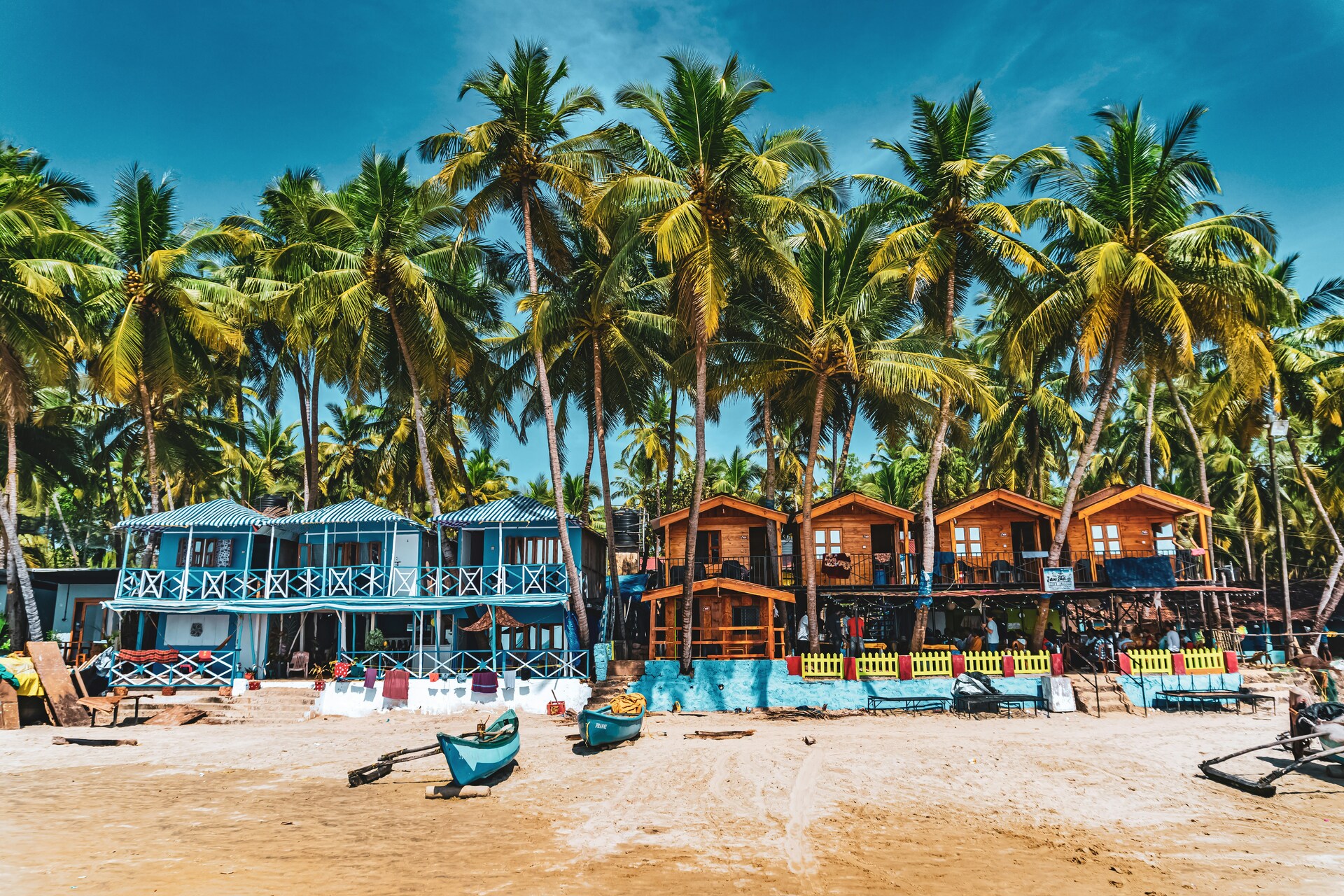
After you've visited anywhere else in India, visiting the land of Goa feels very different in the best way. Here's why: The churches outnumber the temples in certain pockets. Street names carry a Latin lilt. Locals greet each other with 'Susegad' instead of a hurried nod. And not to mention, the whole state seems to move at half the speed of Mumbai or Delhi. Now if you've been wondering why, the answer lies in its history during the four and a half centuries of Portuguese rule that shaped Goa into something the British rule could never touch.
This is a state that was, quite literally, a different country until 1961. While the rest of India was fighting for Independence from Britain in 1947, Goa remained Portuguese territory for another fourteen years. That gap alone says a lot. But to really understand it, we need to go back further to 1510 and follow the historical thread all the way through spice ships, forced conversions and a colonial identity that never fully let go.
Before the Portuguese Arrival
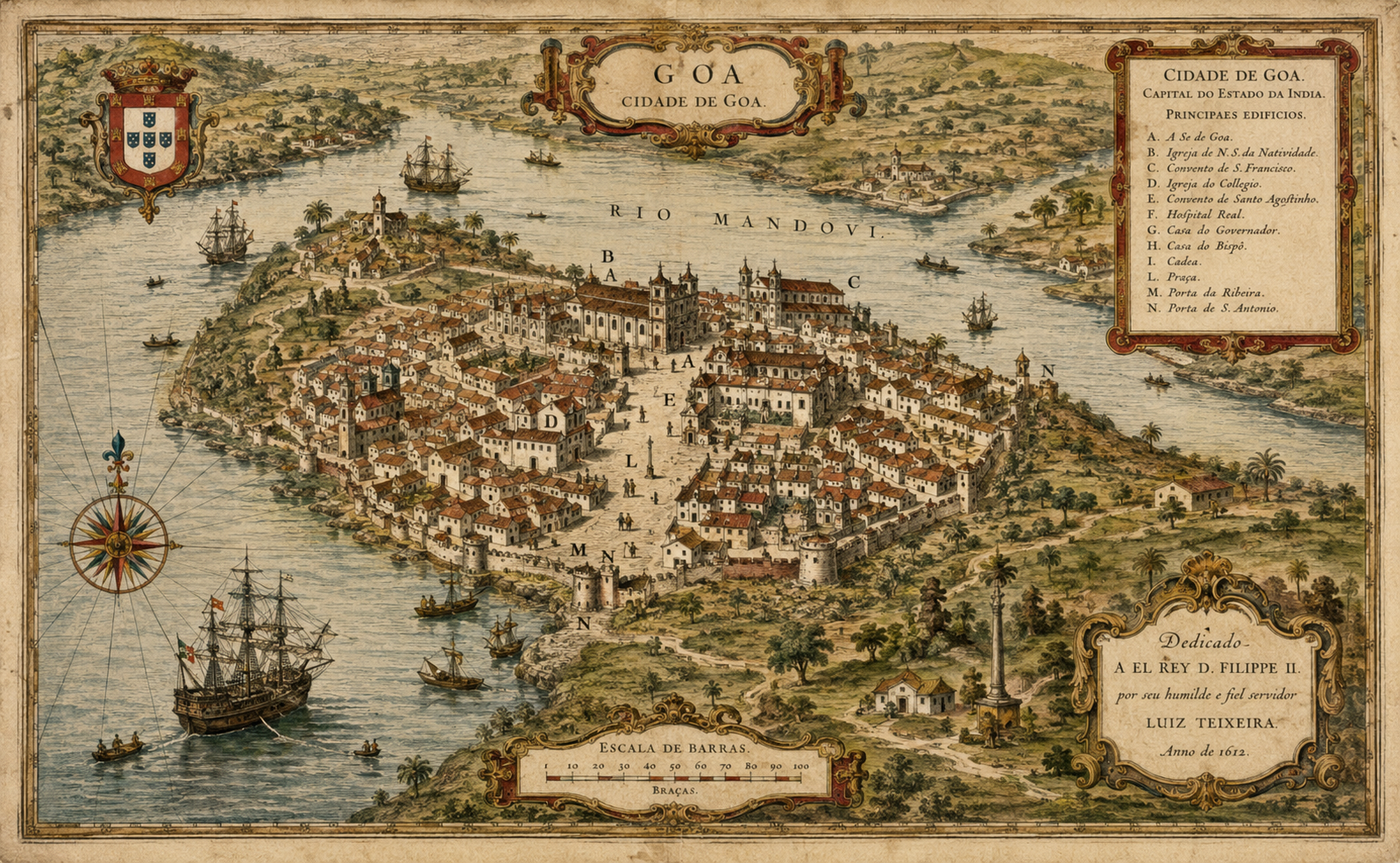
Long before Vasco da Gama's ships showed up off the Malabar coast, it was already a working port under a string of Hindu and Muslim dynasties, the well-known one being the Sultanate of Bijapur. Traders from the Arab world and beyond had been moving through its harbours for generations. What the Portuguese wanted was control of a trade route that Arab and Venetian merchants had dominated for centuries. This included the spice trade, which at the time was worth more per pound than gold in European markets.
Afonso de Albuquerque took the city by force in 1510, defeating the Bijapur Sultanate's army on St. Catherine's feast day, which is why the grand cathedral built later would carry her name. Within a couple of decades, Goa had become the capital of the Estado da India, Portugal's entire eastern empire, stretching from East Africa to Japan, all administered from this one port city.
A Golden Age Built on Spice
Here's where the story gets interesting for anyone walking around Old Goa today. Between roughly 1575 and 1625, the city hit its peak. Historians and travellers of the era called it 'Goa Dourada,' Golden Goa, and there was a Portuguese saying at the time: whoever has seen Goa doesn't need to see Lisbon. At its height, the population may have climbed towards a quarter million, thereby rivaling major European capitals with wide boulevards, stone mansions and a viceregal court that lived in genuine luxury.
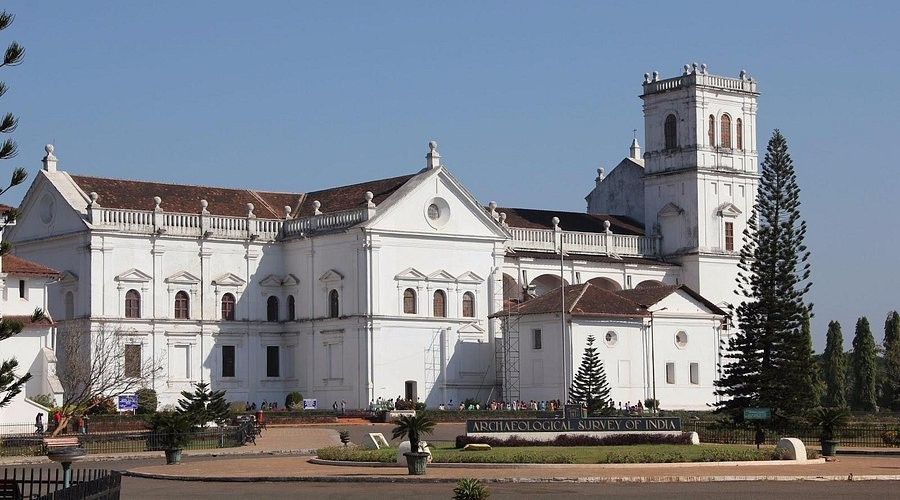
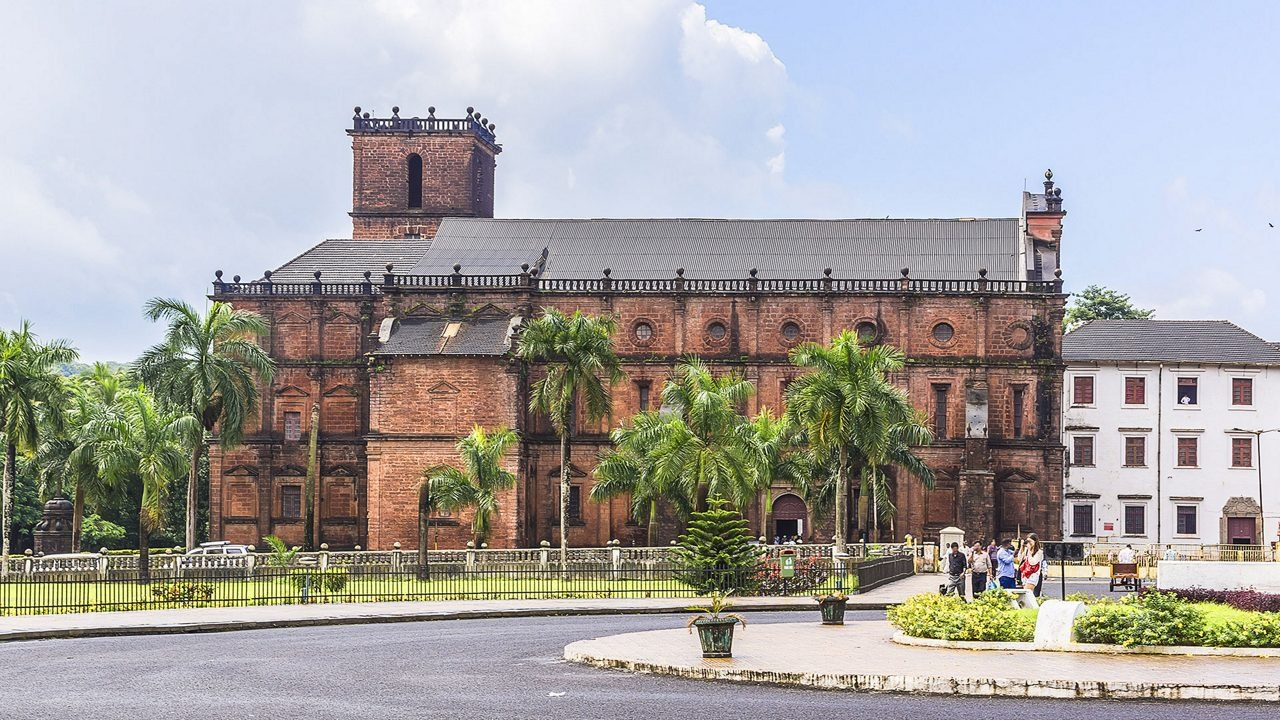
None of that wealth came from nowhere. It came from ships loaded with pepper, cinnamon and cloves sailing out toward Lisbon while horses, textiles and other goods flowed back in. The churches you see standing today, several of them UNESCO World Heritage sites, were largely funded during this period. The Basilica of Bom Jesus, which holds the remains of St. Francis Xavier and the Sé Cathedral, still the largest church in Asia, both date from this golden stretch when money and religious ambition moved through Goa in equal measure.
But Golden Goa also met a dark age that most tour brochures skip over. Starting around 1540, religious tolerance in the colony began collapsing. Temples that had stood for centuries were torn down. Some accounts put the number destroyed in a single wave at around 300. Hindu festivals once celebrated alongside Christian ones, were banned. Then in 1560, at the urging of the missionary Francis Xavier, the Portuguese Crown formally established the Goa Inquisition.
What followed was one of the harsher chapters of colonial religious history anywhere in Asia. The Inquisition targeted 'New Christians' who were suspected of secretly practicing Judaism, Hindus accused of clinging to old customs after conversion and anyone whose faith didn't align cleanly with Catholic orthodoxy. Books in Sanskrit and Konkani were seized and burned. Local musical instruments were banned. Thousands were put on trial over the roughly two and a half centuries the tribunal operated, with a brief pause in the 1770s before it was finally shut down for good in 1812.
It's an uncomfortable history. And it should be. But it's also essential to understanding modern Goa. The Goan Catholic identity you encounter today, the surnames, the churches in nearly every village, the fusion of Konkani language with Portuguese vocabulary, everything exists because of this forced and violent process. Walk through a Goan village and you'll sometimes find a Hindu temple just outside the old colonial boundary line, built by families who fled rather than convert, carrying their deities with them. They are the physical trace of resistance still standing five hundred years later.
Why Does It Feel Different From British India?
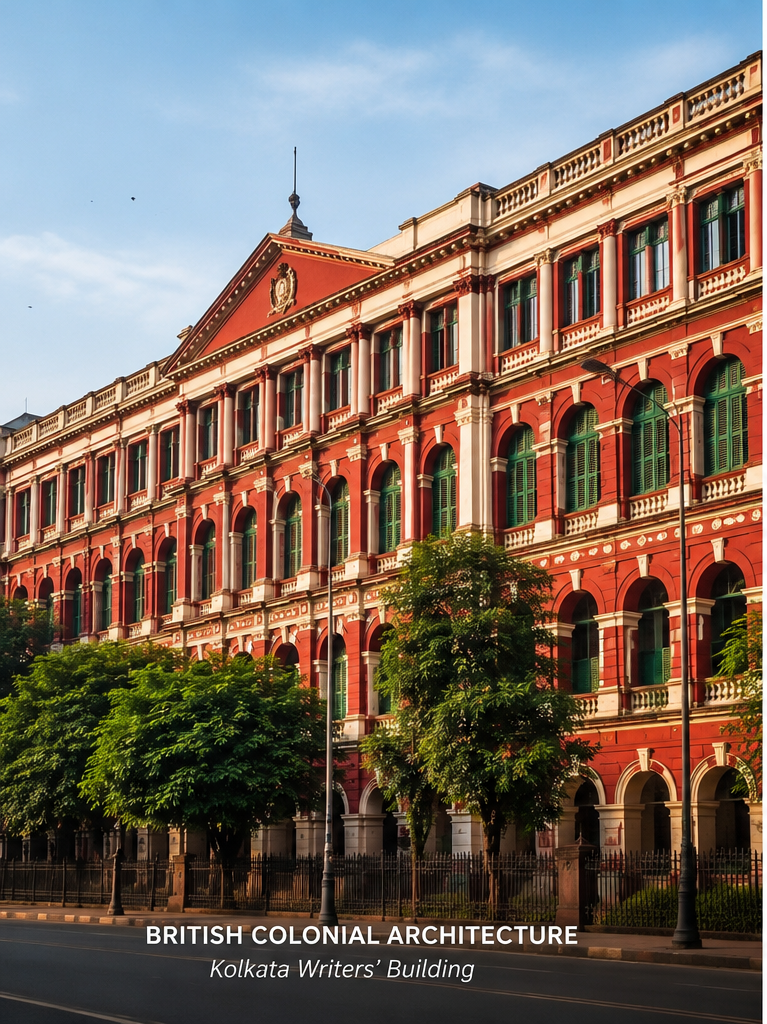
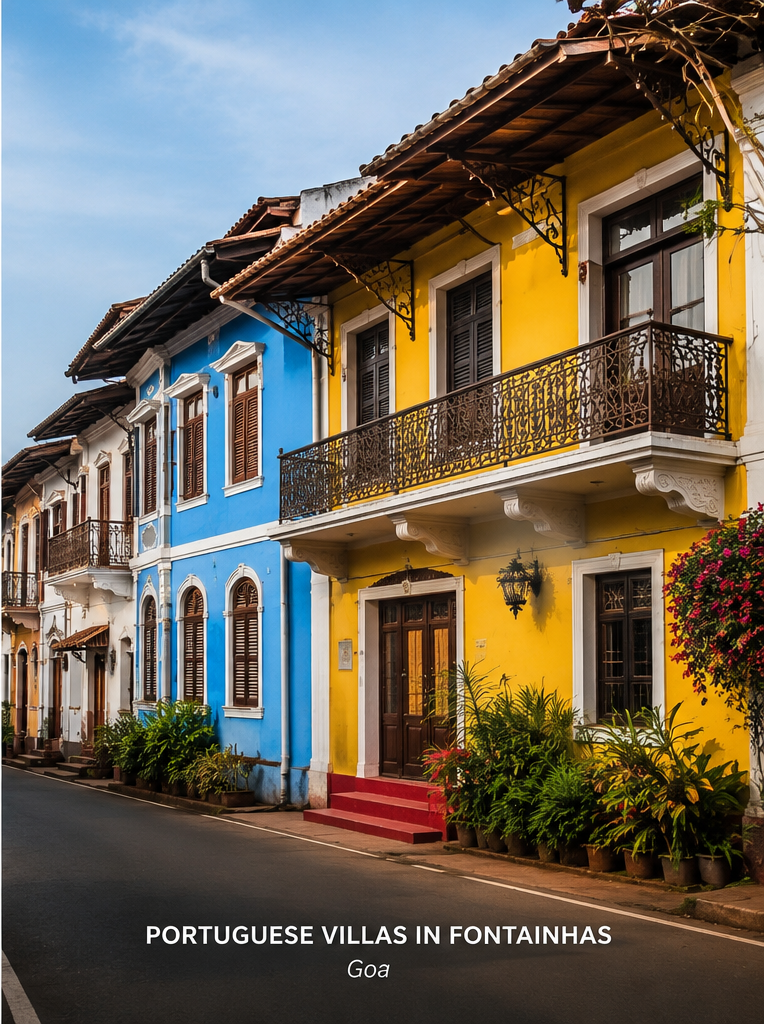
This is the question every curious traveler eventually asks. The honest answer comes down to intent. The British, particularly after 1858, ran India largely as a commercial and administrative project. They built railways, courts and bureaucracies. While missionary activity certainly existed, the colonial state itself stayed relatively hands-off about religion, especially after the 1857 uprising taught them the political cost of interfering too directly.
The Portuguese took the opposite approach. For them, conversion was one of the core goals sitting right alongside spice profits. That difference shows up everywhere in the built environment. British India left behind railway stations, civil courts, cantonments and a particular flavour of Indo-Saracenic architecture built to project imperial authority. Portuguese Goa left behind baroque churches, whitewashed chapels in nearly every village, red-tiled Iberian-style villas and a Catholic population that, in some talukas, still forms the majority.
Language tells the same story. English in the rest of India became a tool of administration and later, opportunity. It became something layered on top of existing local languages. Portuguese in Goa was pushed as the actual language of daily life, education and government for centuries. Konkani absorbed a noticeable amount of Portuguese vocabulary as a result. Even food carries the fingerprint: vindaloo, a Goan classic, traces back to a Portuguese pork dish. Carne de vinha d'alhos, reworked with local spices into something entirely its own.
A Cultural Itinerary Worth Following
If you want to actually feel this history rather than read about it, a handful of stops make the difference.
Old Goa is the obvious starting point, and it earns that reputation. The Basilica of Bom Jesus and the Sé Cathedral sit within walking distance of each other, along with the Church of St. Cajetan and the ruins of St. Augustine's Tower. All remnants of a city that once rivaled Lisbon.
Fontainhas in Panjim gives you the domestic, everyday version of Portuguese Goa. Narrow lanes, colored facades, wrought-iron balconies, this Latin Quarter survived largely intact and is worth a slow and unhurried walk rather than a rushed photo stop.
Reis Magos Fort across the river from Panjim blends military and religious history in one site, with a chapel dating back to the 1550s and sweeping views over the Mandovi.
The Museum of Christian Art near Old Goa is where the Inquisition-era artifacts and religious sculpture live to offer a more complete and less sanitized picture than the churches alone provide.
A spice plantation tour, inland toward Ponda, closes the loop by connecting you back to the entire reason the Portuguese came in the first place. Standing among the same pepper vines and cardamom plants that triggered a global power struggle five centuries ago puts the churches and forts into sharper context.
The Takeaway
Goa is the direct result of a colonial project that prioritized religious transformation as much as economic gain, run by a European power that stayed nearly 150 years longer than the British did anywhere else on the subcontinent. The churches are beautiful, truly. But they sit on ground that also holds a much haunting story. The state's identity today, its food, its language, its architecture, all carry both halves at once.
If you're the kind of traveller who wants more from a trip than a beach chair and a sunset photo, Goa will reward that curiosity. Walk through Old Goa with the Inquisition's history in mind and the Basilica stops being just a pretty building. It becomes a place you actually understand.